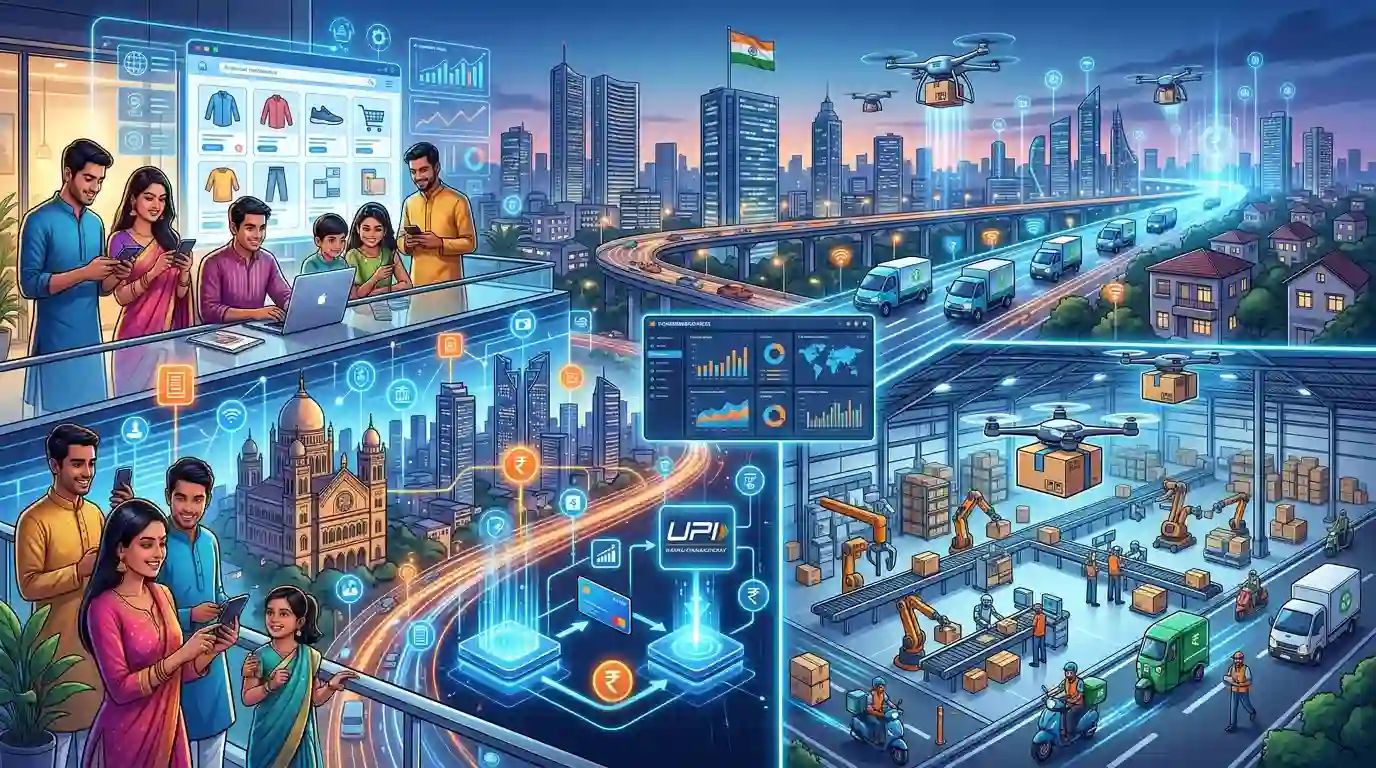
India is experiencing a digital revolution, and e-commerce has become one of the fastest-growing sectors in the country. With increasing internet penetration, affordable smartphones, digital payment adoption, and improved logistics networks, online shopping is becoming a preferred choice for millions of consumers. From daily essentials and electronics to fashion and healthcare products, customers are increasingly relying on online platforms for convenience and better choices.
The future of e-commerce in India looks extremely promising. As technology continues to evolve and consumer behavior changes, businesses are investing heavily in digital platforms to reach a larger audience. Small businesses, startups, manufacturers, and retailers are also embracing e-commerce to expand their market presence and increase sales opportunities.
Growth Drivers of Indian E-Commerce
Increasing Internet and Smartphone Usage
India has one of the world's largest internet user bases. Affordable mobile devices and low-cost data plans have made online shopping accessible even in smaller cities and rural areas.
As internet access continues to grow, more consumers are expected to join the digital marketplace, creating significant opportunities for online businesses.
Rise of Digital Payments
UPI, mobile wallets, internet banking, and digital payment solutions have transformed the online shopping experience. Fast and secure transactions encourage more people to shop online without concerns about payment security.
The growing trust in digital payments is expected to further accelerate e-commerce growth in India.
Expansion into Tier-2 and Tier-3 Cities
While major metropolitan cities continue to drive online sales, the next wave of growth is coming from smaller cities and towns. Consumers in Tier-2 and Tier-3 locations are increasingly purchasing products online due to better delivery services and improved internet connectivity.
This expansion is creating new opportunities for businesses targeting regional markets.
Emerging Trends Shaping the Future of E-Commerce
Artificial Intelligence (AI)
AI is transforming how online stores interact with customers. Personalized product recommendations, AI chatbots, predictive analytics, and automated customer support improve user experiences and increase sales.
Businesses using AI can better understand customer preferences and provide more relevant shopping experiences.
Mobile Commerce (M-Commerce)
Most online purchases in India now happen through smartphones. Mobile-friendly websites and shopping apps are becoming essential for business success.
Companies are focusing on mobile-first strategies to improve customer engagement and conversion rates.
Voice Search and Smart Shopping
Voice assistants and smart devices are changing how consumers search for products online. Businesses are optimizing websites and product listings for voice search to stay competitive in the evolving digital landscape.
Social Commerce
Social media platforms are becoming powerful sales channels. Customers increasingly discover and purchase products through Instagram, Facebook, YouTube, and other social networks.
Social commerce allows brands to connect directly with consumers and build stronger relationships.
Faster Delivery and Logistics Innovation
Modern logistics networks, warehouse automation, and AI-driven delivery systems are helping businesses provide faster and more reliable delivery services.
Same-day and next-day delivery options are becoming important competitive advantages.
Benefits of E-Commerce for Indian Businesses
Wider Market Reach
Online stores allow businesses to reach customers across India and even internationally without opening physical branches.
Lower Operating Costs
Compared to traditional retail, e-commerce businesses often require lower infrastructure and operational expenses.
Better Customer Insights
Digital platforms provide valuable data about customer behavior, helping businesses improve products, marketing strategies, and customer experiences.
Scalability
E-commerce enables businesses to grow quickly and efficiently without significant physical expansion.
Challenges Ahead
Despite rapid growth, the industry still faces challenges such as:
- Cybersecurity concerns
- Rising competition
- Customer retention issues
- Logistics management in remote areas
- Data privacy regulations
Businesses that address these challenges effectively will be better positioned for long-term success.
The Future Outlook
Experts believe that India's e-commerce sector will continue growing rapidly over the next decade. Advances in AI, automation, digital payments, and logistics will make online shopping even more convenient and personalized.
Government initiatives supporting digital infrastructure and increasing internet access will further strengthen the e-commerce ecosystem. As more consumers become comfortable with online transactions, businesses will have greater opportunities to expand their digital presence.
Conclusion
The future of e-commerce in India is bright and full of opportunities. Growing internet usage, digital payment adoption, mobile commerce, AI-powered shopping experiences, and expanding logistics networks are driving the industry's growth.
Businesses that invest in digital transformation, customer experience, and innovative technologies will be well-positioned to succeed in India's rapidly evolving e-commerce market. As the digital economy continues to grow, e-commerce will remain a key driver of business success and economic development in the country.